Removal Company Paddington for house and business moves

Removal Company Paddington provides removal services in Paddington for homes, flats and workplaces that need practical moving support across London and beyond. The core service is straightforward: careful lifting, secure loading, transport and unloading for furniture, boxes and other belongings that need to arrive in the right condition. We keep the focus on the move itself, so customers can plan the day around a clear process rather than a long list of unknowns.
Our work covers a range of moving needs, from a single-room flat move to a larger household relocation or a smaller business transfer. The service can include dismantling and reassembly where that is appropriate, along with packing help when items need extra protection. Every move is different, so the useful approach is to match the level of support to the property, access and volume of items being moved.
If you are comparing options, start with the type of move you need and the items that must travel. Then choose the service page that best matches the job and request a quotation once you are ready. A brief description of the property, access and main furniture pieces is usually enough to begin the conversation.
Home removals planned around your property

Home removals are often most efficient when the moving process is broken into sensible stages. That may begin with packing fragile items, moving larger furniture first and keeping everyday essentials separate so they are easier to find after delivery. For many households, the main decision is not whether the move is large or small, but how much support is needed with lifting, carrying and protecting the items that matter most.
The work can suit houses, flats and converted properties with narrow access, stairs or awkward corners. In those settings, the method matters as much as the vehicle. Good planning reduces the chance of avoidable handling problems, especially where wardrobes, sofas, beds or tables need to pass through limited space. For that reason, home moves benefit from a service that considers both the property and the contents together.
Useful home-moving options often include packing materials, careful wrapping for delicate items and practical support with dismantling furniture before transport. If storage is needed between addresses, that can be discussed alongside the move rather than treated as an afterthought. For straightforward domestic relocations, the aim is simple: move the household in an orderly way and keep the day manageable.
Flat removals and smaller property moves

Flat removals need a practical approach because access can be tighter and loading points less convenient than in a typical house. Lifts, stairwells, entry phones and limited parking can all affect the pace of the move, so the service has to be organised around the building rather than the furniture alone. That is especially helpful when the move involves heavier items that cannot be treated as a quick carry.
In a flat move, protecting communal areas and making the route through the building as smooth as possible is usually just as important as transport. A well-planned service helps reduce handling time and keeps attention on the items most likely to suffer damage, such as mirrors, framed pictures, screens and shelving. If you only need selected items moved, that can often be arranged too.
- single flat or studio moves
- partial moves with selected furniture only
- careful handling of fragile household items
- support with narrow staircases and tight corners
Office removals with minimal disruption to work
Office removals are about more than shifting desks from one place to another. They involve coordinating furniture, files, IT equipment and stored materials so the business can continue working with as little interruption as possible. The right plan normally depends on the floor layout, the volume of items and whether the move needs to happen in stages or as one organised transfer.
For many workplaces, the most useful support includes packing assistance, safe movement of desks and chairs, and clear labelling so equipment can be placed in the correct area after delivery. Items such as monitors, printers and archive boxes need sensible handling, while heavier furniture may require dismantling before transport. If you are moving to a new office, the service should fit the practical reality of the premises rather than forcing a one-size-fits-all process.
Before the move, it is worth separating essential items from non-essential stock and deciding what should travel first. If you already have a target date in mind, the quotation can reflect the access, the size of the team required and the amount of packing support needed. That keeps the job focused on the parts that matter most to your organisation.
Furniture removals and careful item handling
Furniture removals are useful when the main job is moving large or awkward pieces rather than an entire property. Sofas, beds, wardrobes, tables and cabinets each present their own handling needs, especially if the route includes stairs, narrow doorways or long carries to the vehicle. The service should be shaped around the item, its finish and how it can be protected in transit.
Some customers use this service for individual items collected from one address and delivered to another, while others need multiple pieces shifted as part of a larger relocation. Either way, the work benefits from careful wrapping, sensible lifting technique and a vehicle setup that allows furniture to be secured properly. Where needed, dismantling and reassembly can be part of the plan, provided it is suitable for the item concerned.
Good preparation is usually simple: remove loose contents from drawers, clear access to the item and check whether any disassembly is required before the move. If you are not sure how a particular piece should be handled, it is better to describe it accurately than to guess. That helps the quotation reflect the real task rather than a rough assumption.
About Paddington
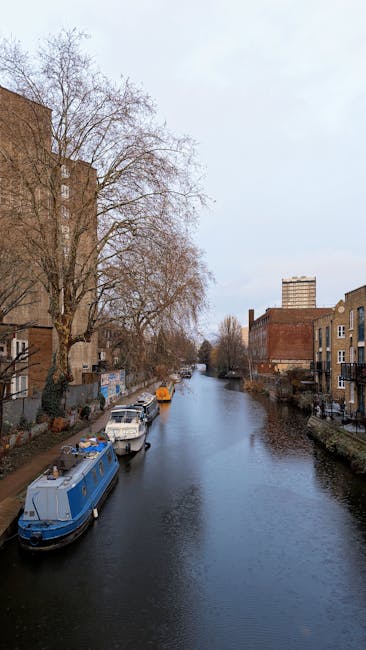
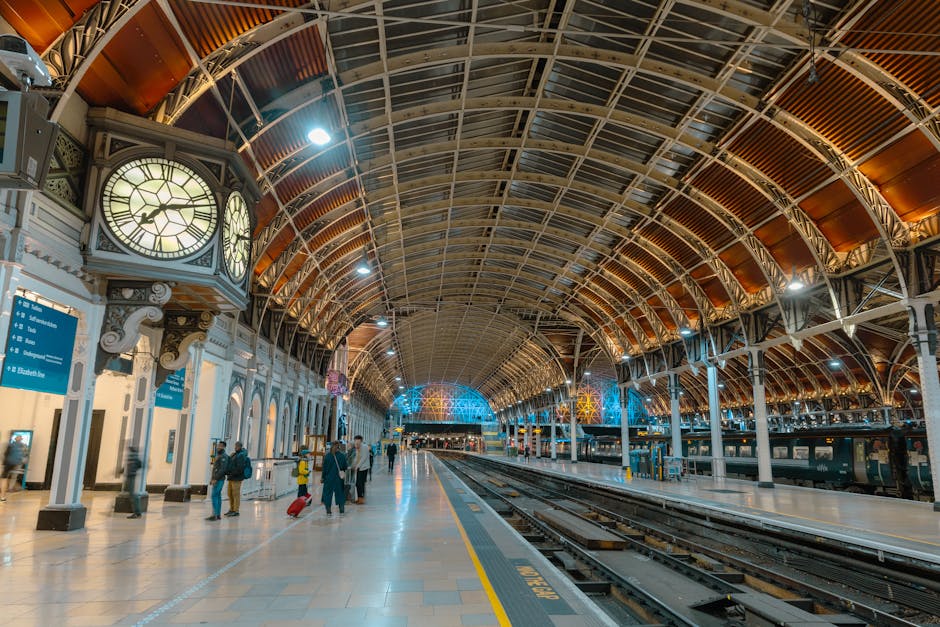
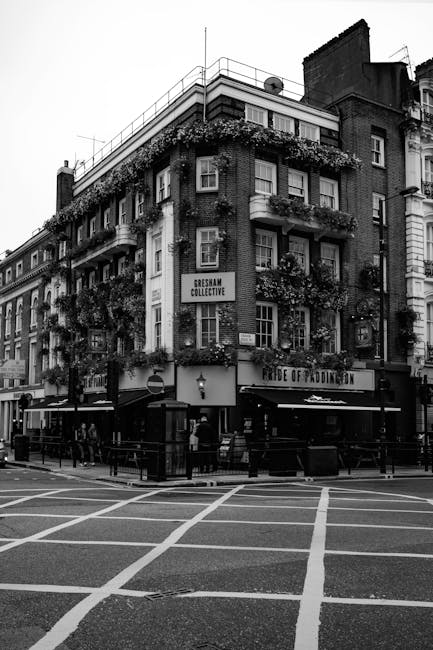
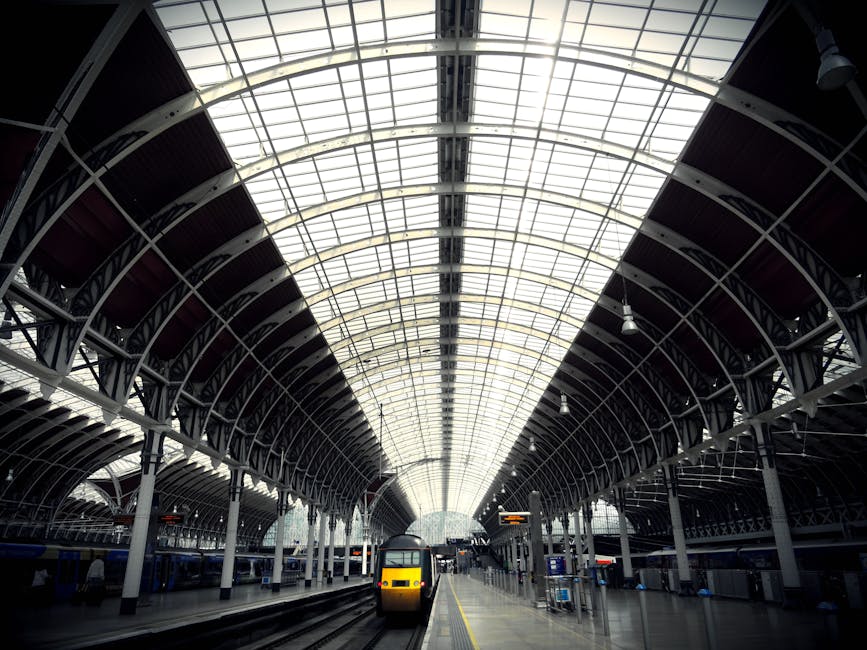
Paddington is a district in the City of Westminster, in central London, best known for the railway station that became one of the capital’s important transport gateways in the nineteenth century. The area takes its name from the old parish and has long been shaped by movement, trade and redevelopment. Today it is a busy mix of streets, canals, residential squares and major transport routes, with the station acting as a focal point for local activity and wider connections across the city and beyond. Nearby Bayswater and Lancaster Gate add to the wider urban texture, while the roads around Paddington are marked by a blend of Victorian terraces, commercial buildings and newer developments.
Packing, boxes and protecting your belongings

Packing is often the difference between a move that feels organised and one that becomes difficult to manage. Good packing protects fragile items, keeps similar belongings together and makes unloading much simpler at the other end. The service may involve supplying cartons, wrapping materials and specialist protection for breakables, depending on what is being moved and how much preparation the customer wants to do in advance.
For some moves, full packing is the most sensible option, especially where time is limited or there are many delicate possessions. For others, partial packing works better: the customer may box up everyday items while the removals team handles awkward or fragile pieces. That flexibility is useful because not every household or office needs the same level of support. A sensible plan avoids overpacking boxes and keeps heavier items separated from lighter ones.
The main aim is to make the load safer and easier to handle. Careful packing also helps with unloading, because boxes can be placed in the right rooms more efficiently when they are labelled and grouped sensibly. If you are preparing for a move, think first about the items that need special protection and the things you would rather not pack yourself.
Transportation, loading and route planning
Transport is the stage where good preparation proves its value. Once items are loaded, they need to be arranged securely so they stay stable during the journey. That matters whether the move is local or covers a longer route, because the goal is the same: keep the contents intact and deliver them in the order that makes the unloading easier. The vehicle size and loading method should match the amount and shape of the items.
Route planning also matters, especially for jobs that involve town-centre access, timed building entry or limited parking. A move that seems simple on paper can become awkward if a vehicle cannot stop close to the property or if there are restrictions on loading at certain times. It is usually better to factor those details in early so the quote reflects the practical work, not just the distance between addresses.
If you need a move organised with storage or staged delivery, that can be discussed alongside the transport plan. In many cases, the best outcome comes from deciding what must travel immediately and what can be kept back for a later date. That reduces pressure on the day and keeps the moving process orderly from start to finish.
Pricing, access and the main factors that shape a quotation
Quotation requests are easiest to assess when they cover the main facts of the job. The most useful details are the type of property, the approximate volume of items, access at both ends and whether packing, dismantling or storage is needed. Those points usually have a bigger effect on the work than a broad label such as house move or office move. A clear description helps the quotation reflect the real task.
Other practical factors can include the number of stairs, whether there is a lift, how far items need to be carried and whether special handling is needed for bulky or delicate pieces. If the move involves several floors or particularly heavy furniture, the moving plan may need to allow extra time and care. That is not unusual; it simply means the job should be priced around the actual conditions.
To keep the process efficient, gather a short list of key items before you enquire. Note the rooms involved, any awkward access points and anything that requires protection beyond normal handling. Accurate information makes it easier to give a sensible quotation and prevents unnecessary back-and-forth.
How to prepare before moving day

There are a few simple steps that make removals easier without turning preparation into a project of its own. Start by deciding what is definitely going, what can be sold or donated and what should stay behind. Then separate essentials such as documents, chargers and everyday necessities so they are not buried in the main load. This approach keeps the move clearer and reduces the chance of last-minute confusion.
It is also helpful to leave access routes as open as possible. Hallways, landings and entry points should be free of clutter, and fragile items should be set aside rather than mixed with general belongings. If the move includes furniture that needs dismantling, check the pieces in advance so there are no missing fixings on the day. Where packing is still underway, label boxes by room or use so unloading is easier.
For a smooth start, share the essentials early and let the rest of the plan follow from there. If you are ready to take the next step, request a quotation today or use the contact details on the website to discuss your move.
Student moves and smaller scale removals
Student moves are often compact, but they still benefit from a structured approach. A few boxes, a desk chair, bedding and study items can quickly become awkward if they are moved without a plan. The service is useful when a customer needs a practical hand with transport, particularly at the start or end of term when timing matters and buildings can be busy.
Smaller removals are also common for people who are moving between rented properties, setting up a first home or relocating selected belongings rather than a full household. In those cases, the task may be simpler, but the need for careful lifting and reliable transport remains the same. The value of the service lies in matching the moving support to the amount of work actually involved.
If the job is modest, that does not make it unimportant. A well-handled smaller move can save time, reduce strain and prevent avoidable damage to belongings. When you are ready, a brief quotation request is often all that is needed to begin planning the journey.